Coastal Construction — Sargent to Corpus Christi
Start a Project
Home  ›  Coastal Construction
Coastal Construction Division

Built to hold the Gulf back.

J4 Fencing & Services builds bulkheads, seawalls, marine piers, culverts, plus storm readiness and response along the Texas Gulf Coast from Sargent to Corpus Christi. Limestone backfill. Marine-grade materials. Built by crews who understand Texas Gulf weather.
What J4FS builds in this division.
Marine-grade bulkheads with limestone backfill and proper drainage. Seawalls sized to water exposure. Marine piers and docks built on pressure-treated and composite decking with galvanized hardware. Coastal culverts. Storm readiness and post-hurricane repair. Permits coordinated through GLO, USACE, TCEQ, and local navigation districts as part of every project.
Five Lines of Coastal Work

One division.
Five specialties.

Bulkheads stop erosion. Seawalls stop the surf. Piers connect you to the water. Culverts move water through the property. Storm readiness and response keeps all of it standing through hurricane season. Different jobs, same coast.

01 / Bulkheads

Bulkheads

Marine-grade vinyl or steel sheet pile bulkheads with limestone backfill and proper tieback systems. Built for waterfront residential, commercial, and ranch shoreline along Matagorda Bay, Port O'Connor, Rockport, and the bays in between.

Open a Bulkhead Inquiry →
02 / Seawalls

Seawalls

Heavier structures built to absorb and deflect wave energy. Sized to open-water exposure. Concrete, steel sheet pile, or hybrid systems depending on the site. The right call when a bulkhead is not enough.

Open a Seawall Inquiry →
03 / Marine Piers

Marine Piers & Docks

Pressure-treated and composite decking on driven piling. Galvanized hardware throughout. Built to handle the chop, the tide, and the salt. Residential docks, fishing piers, and small commercial piers up and down the coast.

Open a Pier Inquiry →
04 / Culverts

Culverts

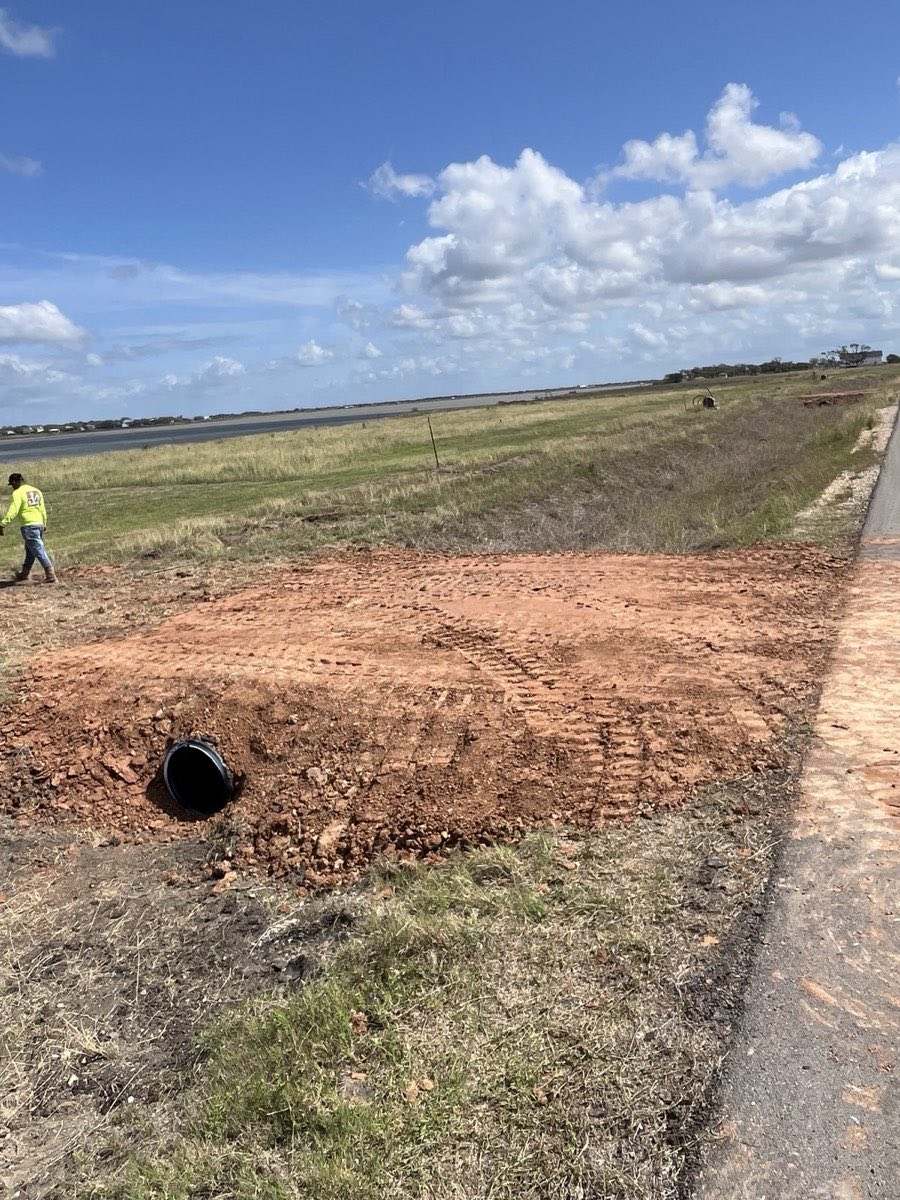
Driveway and access-road culverts on coastal and low-lying property. Sized to drainage requirements, set to grade, backfilled to hold up to flood events. Coordinated with county and drainage district requirements.

Open a Culvert Inquiry →
05 / Storm Readiness

Storm Readiness & Response

Pre-season inspection, reinforcement of existing bulkheads and piers, and post-storm assessment and repair. Emergency mobilization after named storms hit the coast. The Coastal crews live here, so we are not flying in from out of state.

Open a Storm Inquiry →
Recent Coastal Work

From the Bay to the Surf.

A look at the kinds of jobs the Coastal Division has on the ground right now.

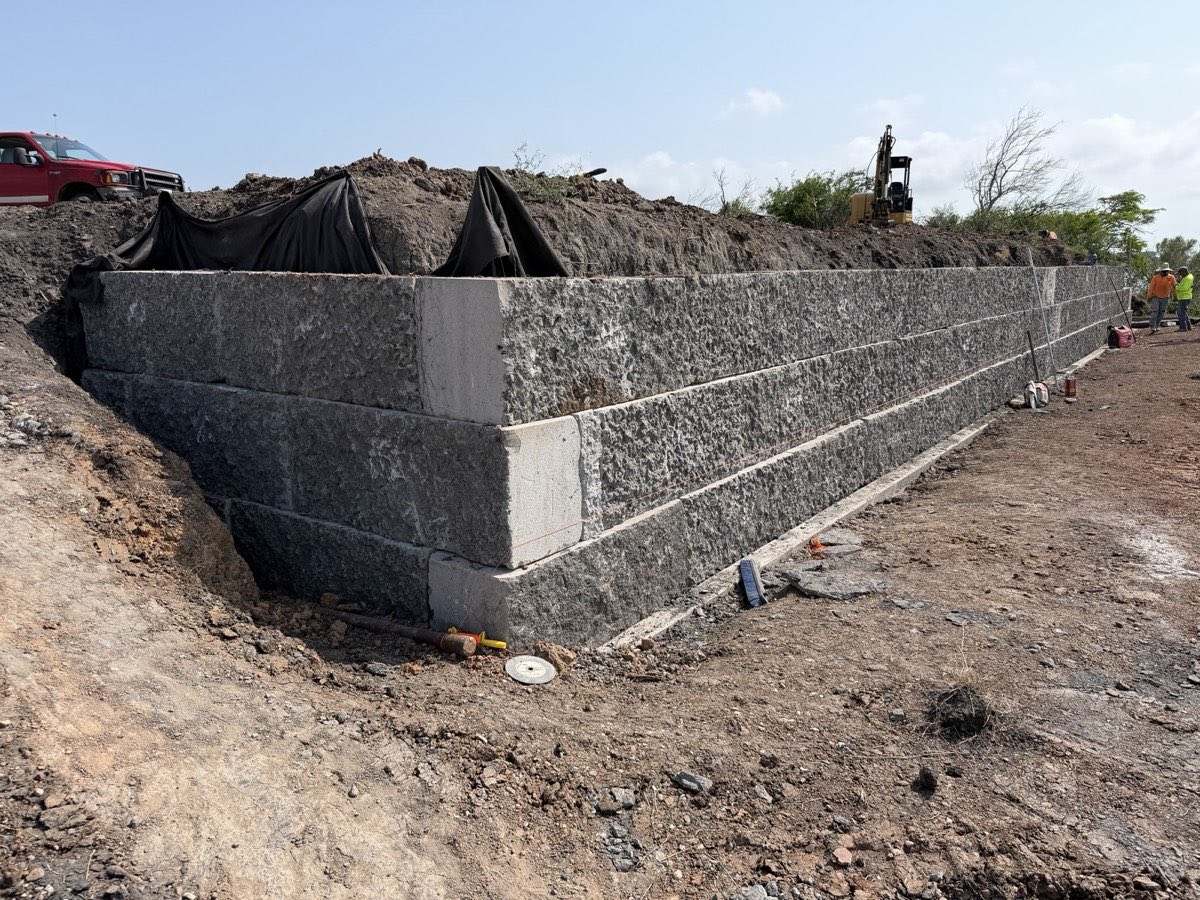
Limestone bulkhead build

Limestone Bulkhead

Marine-grade sheet pile with limestone backfill and tieback. Texas Gulf Coast, 2026.

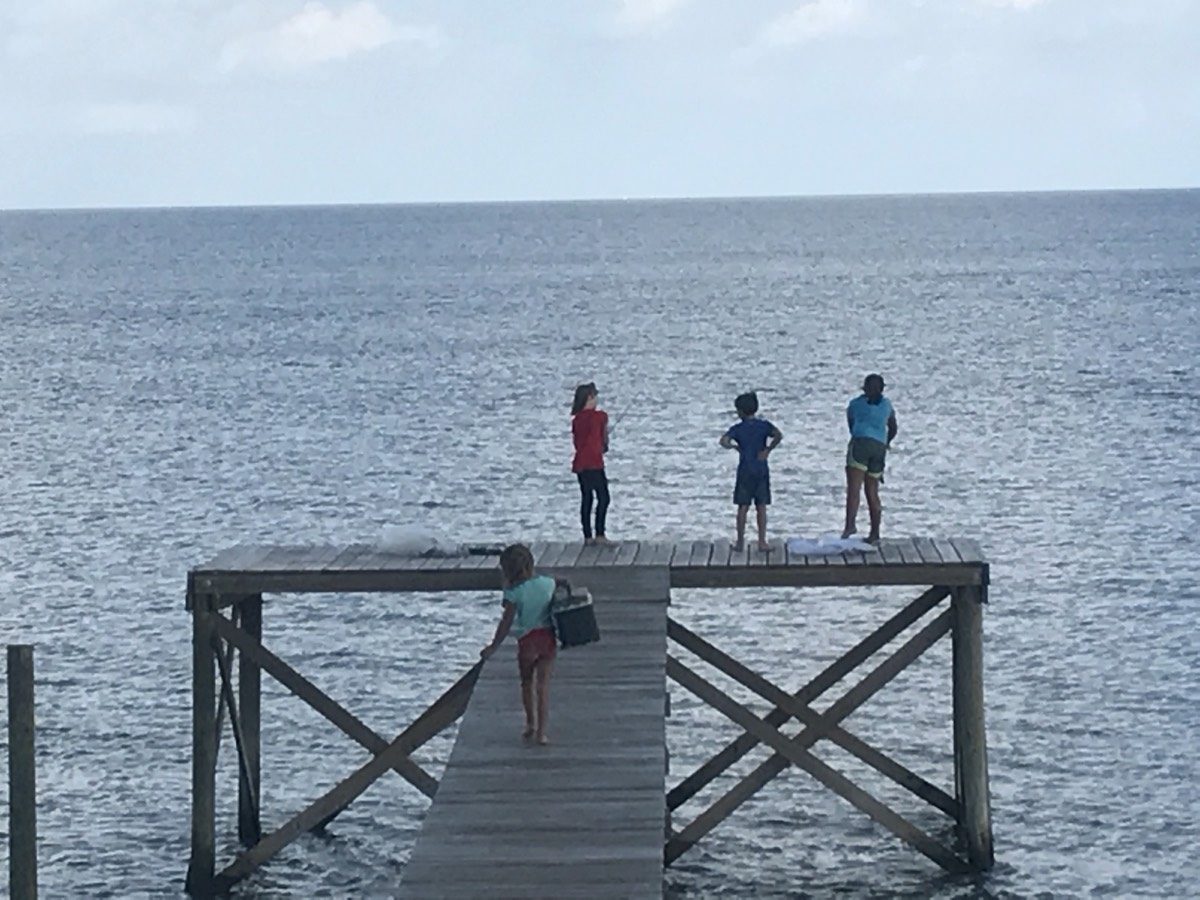
Matagorda Island marine pier

Matagorda Island Pier

Pressure-treated marine pier with composite decking and galvanized hardware.

Coastal culvert installation

Coastal Culvert

Driveway culvert set to grade and backfilled for flood-event drainage, 2026.

Built for hurricane country.

Permits coordinated. Materials specified. Drainage planned. Insurance and bonding in place. Engineer-sealed drawings are available on request when a project requires them, through our partner engineering relationships. We build to last on a coast that doesn't forgive shortcuts.

GLO Permits
USACE Coordination
TCEQ Compliance
Insured & Bonded
Engineer-Sealed Drawings on Request
Marine-Grade Materials
Limestone Backfill
Storm-Season Mobilization
Post-Storm Assessment
Frequently Asked

Coastal questions, straight answers.

What is the difference between a bulkhead and a seawall?

A bulkhead is a vertical retaining wall that holds soil in place at the water's edge, common on residential and small commercial waterfront properties along the Texas Gulf Coast. A seawall is a heavier structure designed to absorb and deflect wave energy from open water. Bulkheads protect the land. Seawalls protect against the surf. J4 Fencing builds both, sized to the site and the water exposure.

How long does a bulkhead last on the Texas Gulf Coast?

Longevity depends on water exposure, storm severity, drainage, tieback condition, and material spec. Marine-grade vinyl or steel sheet pile with limestone backfill, proper drainage, and tiebacks sized to the load is built to take what the Gulf throws at it during a normal season. Named-storm damage is its own variable. J4 Fencing builds to spec and stays connected for post-storm assessment and repair as part of the long-term relationship.

Where on the Texas Gulf Coast does J4 Fencing's Coastal Division work?

From Sargent on the north end down to Corpus Christi. That covers Matagorda Bay, Port O'Connor, Port Aransas, Rockport, and the barrier islands in between. Headquartered in El Campo, Texas, the Coastal Division mobilizes anywhere on that stretch.

Does J4 Fencing handle marine permits and easements?

Yes. Coastal construction in Texas typically involves the General Land Office, the U.S. Army Corps of Engineers, the Texas Commission on Environmental Quality, and the local navigation district. J4 Fencing has worked the process and can coordinate the documentation, drawings, and approvals as part of the project.

What materials does J4 Fencing use for coastal construction?

Marine-grade vinyl sheet pile, steel sheet pile, and concrete for vertical structures. Limestone backfill behind bulkheads for drainage and structural integrity. Pressure-treated and composite decking on piers. Galvanized hardware throughout. Material is matched to water exposure and the project specification.

How fast can J4 Fencing mobilize after a hurricane?

Emergency reinforcement and post-storm bulkhead repair gets prioritized on a project-by-project basis. Start with the project form at leads.j4fs.com. The Coastal crews live and work along this coast, so we are not flying in from out of state when a storm hits.

Start Your Project

Tell us what you need built.

Every J4FS inquiry starts with one project form so the right team gets the details from the beginning.

Fill Out the J4FS Project Form